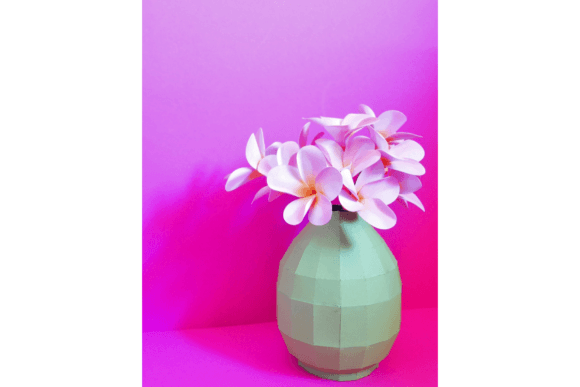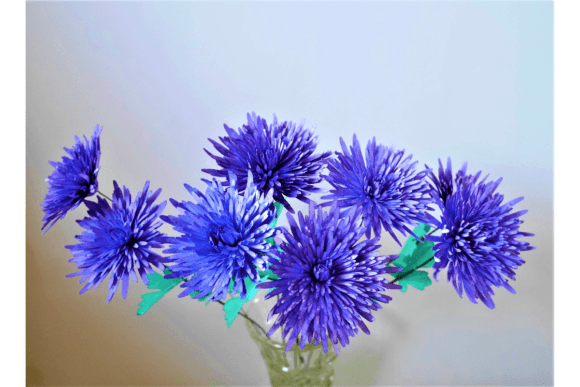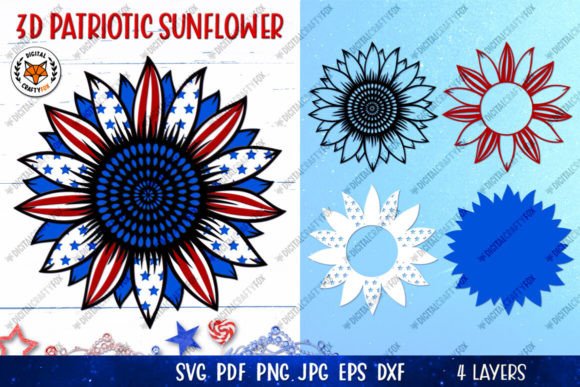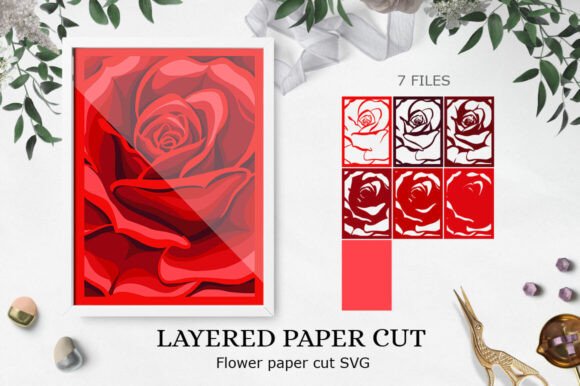
Blooming Protea 3D SVG for Paper Flowers
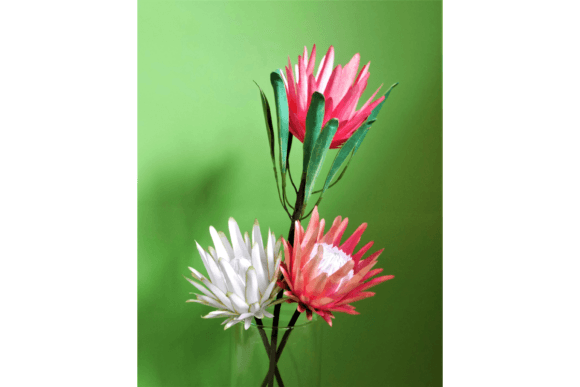
As a handmade business owner who has spent countless hours testing digital assets for physical products, I approach every new graphic design asset with a healthy dose of skepticism. We have all downloaded files that look stunning on screen but fail miserably when sent to the cutting mat or printer. However, stepping into a world of extraordinary beauty with the “Blooming Protea” paper flowers from Maison Gregoria feels different. These meticulously crafted replicas embody the unique and striking appearance of the Protea flower in a way that translates exceptionally well to real-world crafting. My first impression was not just of a pretty botanical illustration, but of a sophisticated, structural design that bridges the gap between delicate art and functional craft media.
The mood this asset creates is distinctly premium and organic. It does not feel like generic clipart; it carries an elegant, slightly rustic weight that appeals to customers looking for high-end wedding stationery, boutique home decor, or artisanal gift packaging. For my Etsy shop, this style signals quality. It attracts buyers who appreciate slow-crafted aesthetics and are willing to pay more for items that look intentional rather than mass-produced. Whether you are creating for a local craft fair or fulfilling custom orders online, the Blooming Protea offers a visual anchor that elevates simple materials into something memorable.
Elevating Physical Crafts and Cricut Projects
In my studio, versatility is non-negotiable. I need design assets that work across multiple mediums without requiring hours of editing. The Blooming Protea excels here, particularly for makers using Cricut or Silhouette machines. As a 3D SVG, the layering logic is sound. When preparing for a Cricut project involving cardstock, the distinct petal layers allow for realistic shading and depth assembly. Unlike flat vector art that requires manual manipulation to create dimension, this file respects the anatomy of the flower, making it ideal for shadow boxes, floral wreaths, and cake toppers.
Beyond paper crafting, this asset serves as a powerful element in mixed-media applications. I tested the PNG version for sublimation design on ceramic mugs and tumbler wraps, and the color saturation held up beautifully against white coatings. The intricate details of the protea head provide enough visual interest to stand alone as a focal point on a 20oz skinny tumbler, yet it remains balanced enough to pair with text. For sticker design, the bold outer silhouette ensures readability even at smaller sizes, while the internal textures reward closer inspection. This duality makes it perfect for planner stickers, vinyl decals for laptops, and waterproof labels for handmade candle jars.
Best Applications for Handmade Business Growth
Through practical testing, I have identified specific areas where this asset delivers the highest return on investment for small business branding and product creation. Understanding where a design shines prevents wasted material and time.
- Large Format Decor: The Blooming Protea scales up exceptionally well for wall art prints and oversized window clings. The line weight maintains integrity without pixelation, making it a staple for printable wall art collections.
- Wedding and Event Stationery: Use this as a primary motif for invitation suites, place cards, and welcome signs. Its exotic yet romantic vibe fits modern boho and luxury wedding themes perfectly.
- Textile Surface Design: For those doing t-shirt design or tote bag printing, the organic shapes soften the rigid geometry of apparel. It works particularly well on natural linen or unbleached cotton backgrounds.
- Packaging Enhancements: Elevate your unboxing experience by using simplified versions of the protea as thank-you card accents or tissue paper stamps. This reinforces brand identity through consistent visual language.
- Digital Product Bundles: If you sell digital downloads, this asset adds significant value to seasonal craft bundles or junk journal kits due to its high-resolution detail and niche appeal.
Navigating Technical Limitations and Workflow
Honesty is crucial in our community. While the Blooming Protea is versatile, it demands respect for technical constraints. There are scenarios where you must proceed with caution to avoid production failures. The intricate nature of the protea florets means that very small cutting details can be problematic on standard cardstock. If you are attempting a Silhouette project at under two inches wide, test your blade depth and material settings first. Thin lines may tear, and weeding complex inner petals on adhesive vinyl can become frustratingly tedious.
Additionally, consider contrast carefully. On dark-colored substrates like black t-shirts or navy tumblers, the subtle gradients in the PNG design might get lost unless you add a white underbase or outline. For layered vinyl projects, ensure each layer has adequate registration marks or alignment guides if they aren't built-in. Crowded compositions are another risk; because the protea is visually dense, pairing it with other busy florals can result in a muddy final product. Give this flower breathing room. It is a statement piece, not a background filler. Always verify that your commercial license covers your intended use, especially if you plan to incorporate this into print-on-demand products or sell it as part of a larger digital collection.
Practical Notes for Professional Results
To integrate the Blooming Protea successfully into your creative workflow, treat it as a professional tool rather than just decoration. Before listing any finished goods in your shop, run a physical prototype. Check if the SVG lines are truly closed paths to prevent cutting errors. Preview the PNG transparency against both light and dark backgrounds to ensure no jagged edges exist. Confirm the resolution is at least 300 DPI for any printed application; nothing kills customer trust faster than blurry sublimation transfers.
Typography pairing is equally important. The organic complexity of this flower balances best with clean sans-serif fonts for modern looks or refined serif typefaces for traditional elegance. Avoid overly ornate script fonts that compete with the petal details. When creating product mockups, place the design on realistic textures rather than flat white backgrounds to help customers visualize the tactile quality of the final item. Finally, always simplify the layout for smaller applications. You do not need every single stamen detail on a 1-inch sticker. Adapting the asset to fit the medium demonstrates craftsmanship and ensures your handmade business maintains a reputation for excellence. By respecting both the artistic beauty and technical requirements of the Blooming Protea, you transform a simple digital file into a cornerstone of your product line.