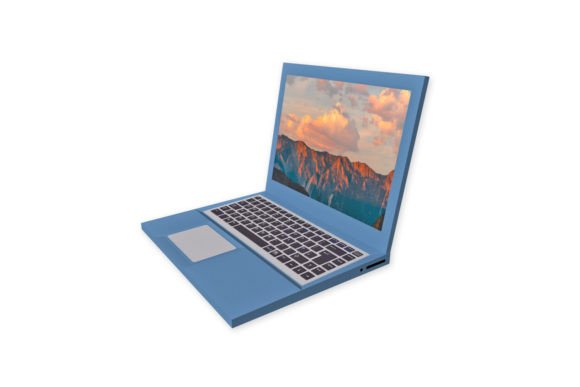
DIY Papercraft Laptop: 3D SVG Shapes for Editorial
As a digital publisher and blog designer, I am constantly hunting for visual assets that bridge the gap between professional polish and authentic creativity. When evaluating the DIY Papercraft Laptop for potential use in editorial workflows, my first impression was one of tactile warmth. Unlike sterile, generic tech stock photography, this asset introduces a handcrafted aesthetic that immediately signals creativity, education, and approachability. It creates an editorial mood that is distinctly modern yet playful, making it an ideal candidate for niches involving digital marketing, online education, creative entrepreneurship, and lifestyle blogging. The papercraft texture suggests effort and care, which subtly transfers to the perceived value of your content.
Elevating Blog Graphics and Featured Images
In real publishing scenarios, the primary challenge is stopping the scroll. This graphic design asset excels as a featured image for articles discussing remote work setups, digital nomad lifestyles, or tech tutorials for creatives. Because the DIY Papercraft Laptop is constructed from geometric shapes, it offers a unique visual hierarchy that stands out against standard rectangular screenshots. When used as a website header or hero image, it softens the technical nature of the content while maintaining relevance. For affiliate marketers reviewing tech accessories or software, this asset provides a non-threatening, artistic alternative to aggressive product shots, potentially increasing reader trust and dwell time.
I can easily envision this asset anchoring a Pinterest pin strategy. The verticality and distinct silhouette of the assembled laptop translate beautifully to social media graphics. It serves as a perfect backdrop for bold typography without competing for attention. Furthermore, for newsletter creators, using this papercraft style in headers establishes a consistent brand identity that feels personal and curated rather than corporate. It transforms a standard tech update into a creative dispatch.
Strategic Applications for Digital Products and Lead Magnets
Beyond standard blog posts, this asset holds significant weight for content creators selling digital products. If you are designing a lead magnet, such as a checklist for setting up a home office or a guide to digital tools, the DIY Papercraft Laptop serves as an excellent cover element. It visually communicates "digital" while retaining the charm of a printable design. This duality is crucial for small business branding where you want to sell high-tech solutions with a human touch.
For educators and course creators, this 3D SVG concept can be adapted into worksheet headers or module thumbnails within a learning management system. The assembled size of 20 x 22 x 24 CMS implies a substantial physical presence, which translates well when photographed or rendered for digital guides. It adds a layer of dimensionality to flat web design, making downloadable resources feel more tangible and valuable. When integrated into Canva templates for sale, this type of unique, niche-specific imagery increases the perceived utility of the template pack.
Optimizing Visual Hierarchy and Reader Engagement
From a performance standpoint, visual assets must do more than look pretty; they must support content goals. The DIY Papercraft Laptop supports stronger click-through potential by breaking pattern interrupts. In a feed saturated with glossy tech renders, a matte, textured paper aesthetic demands attention. It reinforces category recognition for blogs focused on DIY tech, crafting, or creative business. By consistently using this style across article thumbnails and social media previews, you build a cohesive visual identity that readers begin to associate with your specific brand of expertise.
However, editorial design requires discernment. This asset works best in spaces that allow for detail appreciation. Hero sections, wide blog banners, and dedicated resource pages are its natural habitat. Conversely, publishers should exercise caution when deploying this asset in small mobile thumbnails or highly compressed sidebar widgets. The intricate folds and cuts that define the papercraft style may lose definition at very low resolutions, resulting in visual noise. Additionally, if your site caters to a strictly corporate or enterprise B2B audience, the whimsical nature of papercraft might undermine the gravity of financial or legal content. Always align the asset’s mood with your audience's expectations.
Publisher Notes: Technical Workflow and Licensing
Before integrating this asset into a monetized website or commercial project, thorough testing is mandatory. As a publisher, I recommend the following workflow to ensure professional results:
- Cross-Device Testing: Preview the asset on both desktop and mobile screens. Ensure the laptop’s angle reads clearly on narrow viewports and doesn't get cropped awkwardly in responsive containers.
- Typography Pairing: Test the asset beside various font styles. It pairs exceptionally well with clean sans-serif fonts for a modern look or handwritten scripts for a personal journal vibe. Avoid overly ornate display fonts that might clash with the geometric complexity of the papercraft folds.
- Contrast and Accessibility: Check readability when text is overlaid. The multi-tonal nature of paper folds can sometimes reduce text contrast. Use solid color blocks or subtle gradients behind headlines to maintain WCAG compliance.
- File Format Versatility: Leverage the included file types strategically. Use the PNG for quick web placement and social media. Utilize the EPS or DXF files if you need to resize the asset significantly for large-format prints or custom merchandise without losing quality. The PDF is invaluable for creating print-ready instructional content if you plan to share the assembly process itself as a tutorial.
- Web Performance: While vector-based formats are lightweight, rasterized versions for the web must be optimized. Compress images properly to maintain site speed, as slow-loading visuals negate any engagement benefits.
- Licensing Verification: Crucially, confirm the commercial license terms before using this asset on affiliate pages, paid courses, or client websites. Understanding whether attribution is required or if there are limits on digital reproduction protects your business from legal issues.
Assessing Value for Content Marketing Workflows
The DIY Papercraft Laptop represents more than just a decorative element; it is a functional tool for visual storytelling. With an estimated assembling time of two hours for the physical version, the digital files offer immediate access to that same level of crafted detail without the labor investment. For digital marketers and bloggers, this efficiency is key. It allows for the rapid production of high-quality visuals that would typically require expensive 3D rendering services or custom illustration commissions.
When considering this asset for your creative marketplace listings or internal content library, evaluate its versatility. Can it be recolored to match seasonal campaigns? Yes, thanks to the vector-friendly formats. Can it be deconstructed to use individual shapes as background textures? Absolutely. This flexibility extends the ROI of the digital download far beyond a single use case. Ultimately, successful editorial design relies on assets that spark imagination while solving practical layout problems. The DIY Papercraft Laptop achieves this balance, offering a distinctive, clickable, and professionally adaptable solution for modern content publishers seeking to differentiate their visual brand in a crowded digital landscape.