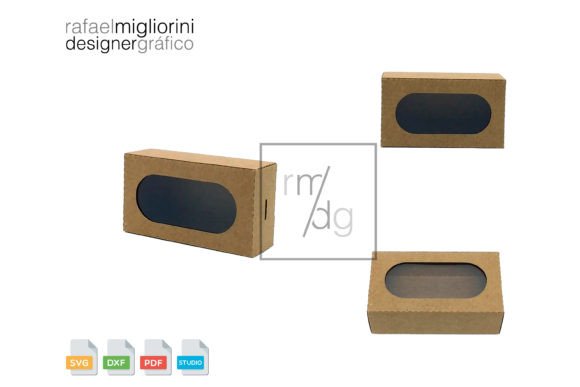
CakeSicle Box 3D SVG: Editorial Shapes for Blogs
As a digital publisher and blog designer, my first interaction with any new graphic design asset is purely editorial. I am not looking at it merely as an isolated illustration; I am evaluating how it functions within a live content ecosystem. When I first loaded the CakeSicle Box into my workspace, the immediate impression was one of tactile modernism. This is not a flat, generic vector. The 3D SVG format provides a sense of depth and volume that flat illustrations often lack, creating an immediate visual hook for readers scrolling through a feed. The dimensions, translating to a tall 9cm height against a compact 5cm length and narrow 3cm width, create a distinct vertical silhouette. This specific aspect ratio is gold for editorial design because it occupies space differently than standard landscape icons, allowing for more creative negative space management in website headers and social media graphics.
The mood this asset establishes is undeniably playful yet polished. It strikes a difficult balance between whimsical and professional, making it ideal for lifestyle bloggers, food creators, and party planning niches. However, its clean geometric rendering prevents it from feeling childish. For a content creator, this means the CakeSicle Box can elevate a post about dessert trends or packaging design without compromising the site’s authority. It signals to the reader that the content is curated and high-quality. In the context of visual hierarchy, the three-dimensional shading guides the eye naturally, serving as an excellent focal point when paired with bold typography in a hero image or featured thumbnail.
Strategic Placement in Content Marketing Workflows
In a real publishing workflow, versatility is the metric that matters most. I tested this asset across multiple touchpoints to see where it delivers the highest return on attention. For Pinterest pin creation, the verticality of the CakeSicle Box is a massive advantage. Pinterest favors vertical imagery, and this shape fills that canvas efficiently without requiring excessive cropping or awkward whitespace. When designing a pin for a "Summer Party Treats" guide, the 3D nature of the SVG allowed me to cast realistic shadows onto the background text, integrating the graphic organically rather than having it look like a sticker pasted on top.
Beyond social media, this asset shines in digital product design. If you are creating a lead magnet, such as a printable checklist or a digital guide for event planners, the CakeSicle Box serves as perfect cover art. Its recognizable form communicates the topic instantly, increasing click-through rates on landing pages. I also found it highly effective for category thumbnails on food blogs. Unlike complex photographs that can become muddy at small sizes, the clean lines of this 3D SVG remain legible even when scaled down for mobile navigation menus. For affiliate marketers promoting baking supplies or packaging products, using this stylized representation can sometimes outperform stock photography because it feels bespoke and branded, fostering greater trust with the audience.
Enhancing Brand Identity and Reader Trust
Consistency builds trust, and the CakeSicle Box supports a cohesive brand identity across platforms. Because it is a vector-based 3D asset, it scales infinitely without pixelation. This is critical for responsive web design. Whether viewed on a retina display desktop monitor or a budget smartphone, the edges remain crisp. In my testing, I used it as a recurring motif in newsletter headers and email signatures. This repetition creates a visual anchor; subscribers begin to associate that specific shape with your content before they even read the subject line. For small business branding, owning a distinctive visual element like this separates you from competitors relying on overused stock vectors from general creative marketplaces.
The asset also supports better visual storytelling in commercial design. When reviewing products or tutorials, a custom graphic suggests effort and expertise. A flat, amateurish icon can subconsciously signal low-value content to a reader. Conversely, the sophisticated lighting and proportion of this CakeSicle Box imply a premium editorial standard. This perception directly influences monetization potential. Advertisers and affiliate partners prefer placements that look professional, and readers are more likely to purchase a digital download or course if the sales page visuals feel intentional and high-end.
Editorial Constraints and Visual Caution Zones
Despite its strengths, no design asset is universal. Through rigorous layout testing, I identified specific scenarios where the CakeSicle Box requires careful handling. Due to its pronounced vertical orientation (9cm height vs 3cm width), it can dominate narrow sidebars or squeeze adjacent text elements if not padded correctly. In text-heavy blog images, such as quote cards or infographic headers, the shape may compete with copy for attention. I recommend using it as a secondary accent in these cases, perhaps reduced in opacity or placed in the far corner, rather than as the primary visual anchor.
Furthermore, consider the emotional tone of your specific niche. While perfect for culinary, craft, parenting, and lifestyle sectors, this asset may feel out of place in serious corporate finance, legal, or medical publishing. The inherent playfulness of a cake-themed shape could undermine the gravity of sensitive topics. Additionally, on websites utilizing extremely minimal or brutalist design systems, the decorative 3D shading might clash with a strict flat aesthetic. Always preview the asset within your actual site theme before committing to it. High-contrast backgrounds also demand caution; ensure the shadow details of the 3D SVG do not get lost against dark modes or busy photographic backgrounds, which can reduce readability and visual impact.
Publisher Notes: Technical Integration and Licensing
Before deploying this asset to a live production environment, run through this practical checklist to ensure optimal performance and compliance. First, test the CakeSicle Box in grayscale. If the 3D effect relies solely on color contrast rather than luminance values, it will fail accessibility standards and look flat on e-readers or when printed. Second, pair it with various typefaces. I found it harmonizes beautifully with rounded sans-serifs and playful scripts but can clash with rigid, traditional serifs unless spaced generously. Third, verify file optimization. Even though SVGs are lightweight, complex 3D vectors can contain thousands of anchor points. Run the file through an SVG compressor to ensure it does not bloat your page load time, which negatively impacts SEO and user experience.
- Licensing Verification: Always confirm the commercial license terms before using this on monetized blogs, affiliate pages, or within paid digital products like Canva templates or eBooks.
- Mobile Responsiveness: Check the asset on actual devices, not just browser resizing tools, to ensure touch targets near the graphic are not obscured by its vertical footprint.
- Contrast Testing: Ensure the 3D shading maintains sufficient contrast ratios against your chosen background colors to meet WCAG accessibility guidelines.
- Format Flexibility: Keep the original source file handy. You may need to export PNG versions with transparent backgrounds for use in email clients that do not support SVG rendering.
- Brand Consistency: Create a style guide entry for this asset, defining approved colors, sizes, and placement rules to maintain visual coherence across all future content.
Ultimately, the CakeSicle Box is more than just a cute shape; it is a functional tool for modern digital publishing. When applied with strategic intent, it enhances visual communication, strengthens brand recall, and elevates the perceived value of your content. By understanding both its editorial power and its technical constraints, publishers can leverage this 3D SVG to create richer, more engaging experiences for their audiences. Whether you are designing a new lead magnet, refreshing your blog graphics, or building a cohesive social media presence, this asset offers the professional polish necessary to stand out in a crowded digital landscape.