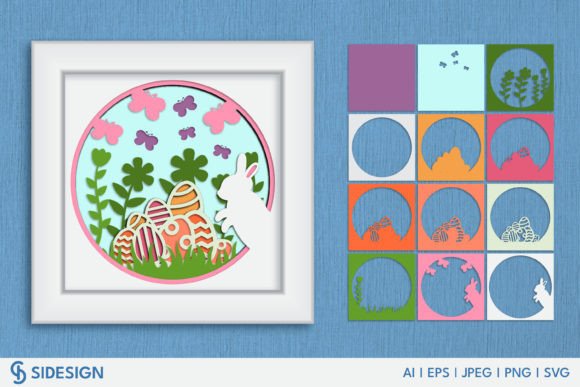
Easter Egg 3D SVG: Shadow Boxes Review
When evaluating a new graphic design asset for a seasonal client campaign, my primary concern is always versatility and technical execution. As a designer managing branding and marketing visuals for handmade businesses and boutique retailers, I cannot rely on assets that look good in a thumbnail but fail during production. My current project involves developing a cohesive spring visual identity for an artisanal gift shop launching a curated Easter collection. They require physical packaging elements, social media graphics, and in-store signage. After testing the Easter Egg 3D Shadow Box file, I have assessed its viability for professional commercial design applications beyond simple hobbyist crafting.
First Impressions and Visual Mood Assessment
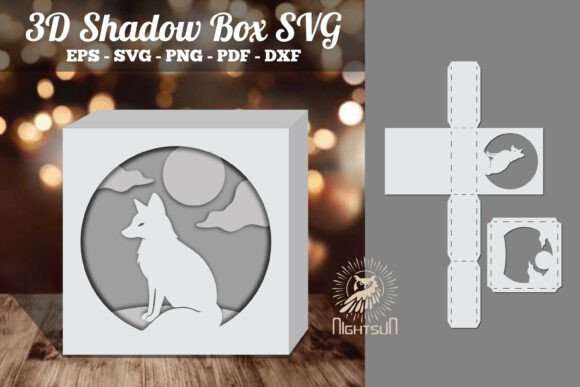
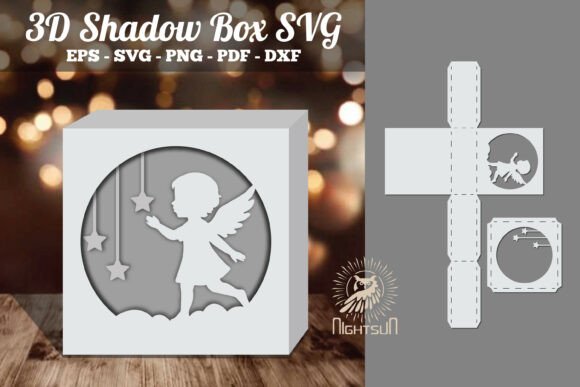
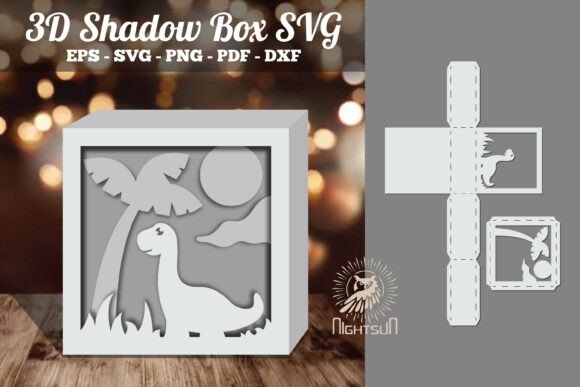
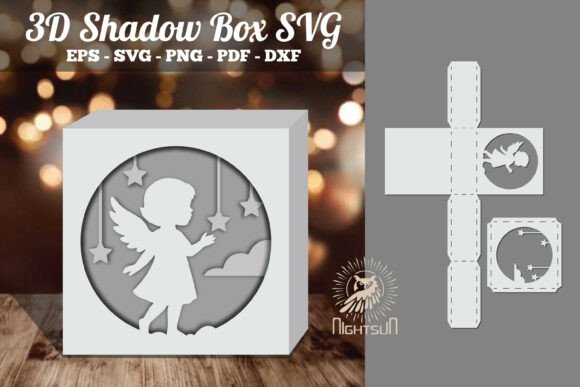
The initial review of this digital product reveals a strong sense of depth and tactile quality often missing in flat vector art. The Easter Egg 3D Shadow Box is not merely an illustration; it is a structural blueprint intended to create physical dimension. For my client’s brand identity, which leans toward modern nostalgia and premium craftsmanship, this asset bridges the gap between digital marketing and physical experience. The layering inherent in 3D SVG files suggests movement and interactivity, making it ideal for brands wanting to convey warmth and engagement. Unlike generic clipart, this design carries an architectural weight that elevates the perceived value of the final output, signaling to customers that the brand pays attention to intricate details.
Performance Across Physical and Digital Touchpoints
In real-world application, this asset performs distinctly differently across mediums. For physical deliverables, these designs are great for use with craft cutting machines such as Silhouette, Cricut, or other cutting machines, which is essential for my client’s in-house packaging team. We utilized the layered SVG design to prototype window inserts for product boxes and decorative shelf talkers. The precision of the cut lines ensured that assembly was efficient, reducing labor time—a critical factor for small business branding where margins matter. The resulting shadow box effect added a premium unboxing experience that flat printing simply cannot achieve.
Digitally, the asset serves as a robust hero graphic for web design and Pinterest pins. When used in social media graphics, the simulated depth catches the eye during rapid scrolling. However, designers must treat this as a focal point rather than background texture. In our Instagram carousel templates, the Easter Egg 3D Shadow Box acted as the central anchor, with text wrapping around its organic contours. It also translated surprisingly well into sublimation design concepts for limited-edition tote bags, where the illusion of three-dimensionality created visual interest on a flat fabric surface without requiring expensive embroidery.
Ideal Applications for Seasonal Campaigns
This creative design shines brightest when given room to breathe. Based on my testing, the asset is most effective in large layout areas where the layering can be fully appreciated. Specific high-value applications include:
- Packaging Design: Creating dimensional window inserts or box toppers for retail products.
- Event Signage: Serving as table numbers or welcome signs where physical depth enhances the venue atmosphere.
- Hero Web Graphics: Anchoring landing pages for seasonal sales or spring collections.
- Printable Wall Art: Offering customers a DIY decor option that doubles as brand engagement.
- Editorial Design: Breaking up text-heavy blog posts or newsletters with dynamic visual relief.
For Etsy sellers and print-on-demand merchants, this asset provides a ready-made foundation for themed collections. It allows for rapid iteration; by changing the color palette within the SVG design, you can adapt the same base structure for pastel, vibrant, or monochrome aesthetics while maintaining brand consistency.
Navigating Limitations and Visual Hierarchy
Despite its strengths, the Easter Egg 3D Shadow Box requires careful handling to maintain professional standards. It should be used cautiously in minimalist branding or corporate environments where clean lines and flat hierarchy are paramount. The intricate layers can introduce visual noise if placed against complex backgrounds or busy patterns. During my review, I found that placing this asset over textured paper overlays reduced legibility and diminished the 3D effect. It demands negative space.
Furthermore, readability is a significant consideration when integrating this into marketing visuals. Never place body text directly over the detailed center of the shadow box. The varying depths create contrast issues that make typography difficult to parse. Instead, use the asset as a supporting element adjacent to copy, or utilize it as a frame. In logo design contexts, this asset is too complex to serve as a primary mark but works exceptionally well as a secondary badge or seasonal lockup variation. Understanding these boundaries prevents the design from looking amateurish or cluttered.
Technical Pre-Flight Checklist for Professionals
Before committing this design bundle to a paid client project, rigorous technical validation is non-negotiable. Professionalism lies in the preparation. Here is the workflow I recommend for any designer incorporating this 3D SVG into commercial work:
- Verify Vector Integrity: Open the file in Illustrator or Affinity Designer to ensure all paths are closed and layers are logically grouped. Unclosed paths will cause cutting errors on Cricut projects.
- Contrast Testing: Test the design in pure black and white. If the 3D effect relies solely on color rather than luminance values, it will fail in single-color sublimation design or vinyl applications.
- Scale Stress Test: Resize the asset to both 2 inches and 24 inches. Check if fine details disappear at small sizes or if nodes become jagged at large scales.
- Typography Pairing: Test against your brand fonts. This ornate asset typically pairs best with clean sans-serif or elegant serif typefaces; avoid pairing it with highly decorative script fonts to prevent visual competition.
- Licensing Audit: Confirm the commercial license terms explicitly cover your intended use, especially for print-on-demand or digital resale. Documentation protects both the designer and the client.
- Mockup Validation: Always preview the asset on realistic product mockups before final approval. Screen rendering often differs significantly from printed ink or cut vinyl results.
Strategic Value for Creative Businesses
Ultimately, the Easter Egg 3D Shadow Box represents more than just a seasonal decoration; it is a strategic tool for enhancing customer engagement through tactile and visual storytelling. For content creators and bloggers, it offers a fresh alternative to stock photography, providing unique, ownable visuals that strengthen brand recognition. For makers and small business owners, it streamlines the production of high-impact decor and packaging without the cost of custom die-cut tooling.
When integrated with intention and technical care, this asset transforms standard seasonal messaging into an immersive brand experience. It supports a holistic creative strategy where digital ads, physical packaging, and social media presence feel interconnected and polished. By treating this 3D SVG as a professional component of a larger design system rather than a standalone novelty, designers can deliver exceptional value and help their clients stand out in a crowded creative marketplace. The success of such an asset lies not in its complexity, but in the designer's ability to harness that complexity to serve clear business objectives and elevate the overall visual narrative.