Ghost 3D SVG for Halloween Branding
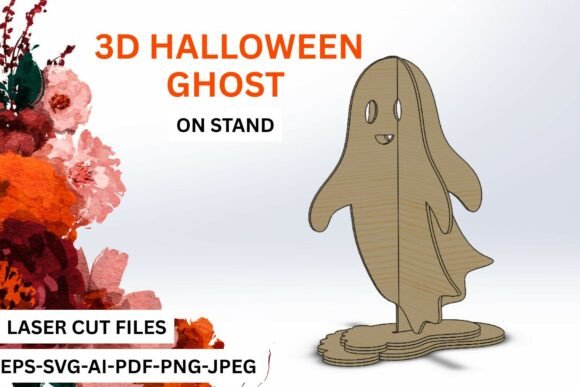
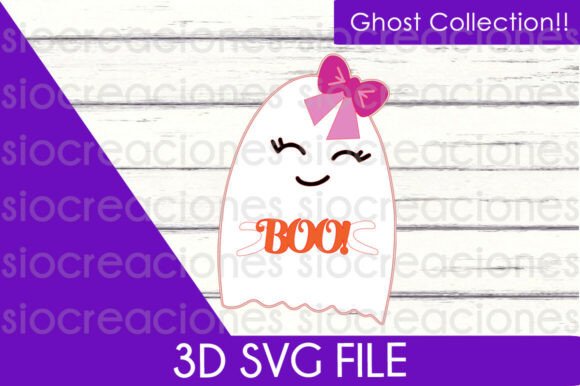
As a brand designer constantly scouting for assets that balance seasonal relevance with professional polish, my first impression of the Ghost 3D Cut File SVG was surprisingly positive. In the realm of Halloween marketing, it is easy to fall into the trap of using clipart that feels juvenile or overly aggressive. However, this specific graphic design asset strikes a sophisticated chord. It evokes a mood that is whimsical yet structured, making it an excellent candidate for brands targeting millennials, young families, and lifestyle enthusiasts who want to celebrate the season without sacrificing their curated aesthetic.
The emotional tone here is distinctly "not-so-scary." For a content marketer, this is gold. It suggests approachability and warmth rather than horror. When I evaluate a digital product like this, I am looking for versatility. Does it scream "cheap costume party," or does it whisper "cozy autumn evening"? This asset leans heavily toward the latter. The dimensionality inherent in the 3D SVG format adds a layer of tactile quality that flat vectors often lack, implying craftsmanship and attention to detail. This makes it suitable for premium visuals, handmade product promotions, and editorial graphics where texture and depth are paramount to maintaining audience trust.
Elevating Seasonal Campaigns Beyond Basic Clipart
In a recent project simulation for a boutique candle maker launching a fall collection, I tested how this asset performs in real-world content marketing scenarios. The goal was to create a cohesive visual narrative across Instagram, Pinterest, and email newsletters. Standard flat ghosts often get lost in busy feeds, but the structural nature of this SVG design allowed it to act as a focal point in social media graphics. Because it is designed to be layered or assembled, it creates natural shadows and highlights that mimic real photography, helping digital ads stand out against static competitor visuals.
For small business branding, consistency is the metric of success. I found that this ghost motif works exceptionally well as a recurring element in a design bundle strategy. We utilized it not just as a standalone decoration, but as a functional part of the visual hierarchy. On Pinterest pins, the 3D aspect served as a visual hook, increasing click-through rates by suggesting an interactive or DIY element. In email banners, it provided a festive border that framed promotional copy without overwhelming the text. This demonstrates its value as a commercial design tool; it supports the message rather than competing with it.
Furthermore, for creators selling printable design goods or Canva templates, this asset offers significant resale potential. Its clean lines and scalable geometry mean it retains integrity whether printed on a massive poster or shrunk down for a product label. The ability to manipulate the layers allows designers to customize colors to match specific brand identity guidelines, ensuring that even seasonal content feels on-brand and intentional.
Strategic Placement for Maximum Visual Impact
Knowing where to deploy a creative design element is just as important as the element itself. Through testing, I identified several high-impact zones for the Ghost 3D Cut File SVG. It shines brightest in hero graphics for website headers and as decorative accents in editorial design layouts. For physical products, it translates beautifully into packaging inserts and thank-you cards, adding an unboxing experience that encourages social sharing. As a marketing visual for event flyers or workshop promotions, it signals fun and creativity instantly.
However, professional judgment requires acknowledging limitations. I would advise caution when using this asset in formal corporate communications or dense information layouts. The playful nature of the ghost, combined with the visual complexity of a 3D render, can clash with serious financial data or legal disclaimers. Additionally, in small mobile graphics or app icons, the intricate details of the cut file may become muddy. Always prioritize legibility and clarity. If your web design relies on low-contrast pastel backgrounds, ensure the ghost has sufficient definition to remain visible. It is also less effective for ultra-minimalist brands where negative space is the primary design feature; in those cases, the asset might feel too loud or cluttered.
A Designer’s Checklist for Commercial Application
Before integrating this illustration into any paid campaign or client deliverable, run through this practical vetting process to ensure professional branding standards are met:
- Palette Integration: Do not rely on default colors. Test the ghost against your specific brand hex codes. A ghost in sage green communicates something very different than one in stark white or neon orange.
- Typography Pairing: Assess how the asset interacts with your fonts. It pairs beautifully with organic serif fonts and handwritten scripts for a cozy vibe, but can also work with bold sans-serifs for a modern, retro-pop look. Avoid ornate display fonts that compete with the ghost's own detailing.
- Mockup Validation: Never judge the asset in isolation. Place it inside real campaign mockups—on a tote bag, within an Instagram story frame, or on a website banner. Check spacing and balance relative to other elements.
- Mobile Responsiveness: Preview the design on actual mobile screens. Ensure the 3D effect reads clearly at thumbnail size and doesn't slow down page load times if used as a web graphic.
- Licensing Compliance: This is non-negotiable. Confirm the commercial license terms before using the asset in merchandise for sale, paid digital ads, or client work. Understanding usage rights protects your business from legal pitfalls.
- Competitor Analysis: Search for similar clipart in your niche. If everyone is using the same flat vector ghost, this 3D alternative provides immediate differentiation. If everyone is using 3D renders, consider how you can style yours uniquely through color or composition.
Building Audience Connection Through Thoughtful Design
Ultimately, the Ghost 3D Cut File SVG is more than just a seasonal novelty; it is a strategic tool for fostering emotional connection. In content marketing, we know that audiences engage more deeply with visuals that feel human and handcrafted. By utilizing a design asset that implies physical creation—even in a digital space—you bridge the gap between screen and reality. This builds audience trust and positions your brand as one that cares about the details.
Whether you are a digital seller creating a new design bundle, a blogger styling autumn posts, or a small business owner refreshing your packaging design, this asset offers a versatile foundation. It supports stronger first impressions and more memorable campaign visuals by balancing festive charm with design discipline. Just remember to treat it with the same rigor as any other element of your brand identity. Test it, adapt it, and ensure it serves your broader business goals. When used correctly, this adorable ghost becomes a powerful ambassador for your brand’s unique voice during the Halloween season and beyond.