Lavender Fields 3D Papercut: An Embroidery Review
As a designer who constantly bridges the gap between digital assets and tangible textiles, I approach every new file with a healthy dose of skepticism. When I first opened the Lavender Fields 3D Papercut Lavender package, my immediate thought was how to translate this layered paper aesthetic into thread. While this product is marketed primarily as a 3D SVG for shadow boxes and laser cutting, its intricate, layered composition offers a unique opportunity for mixed-media embroidery and high-end appliqué work. For Etsy sellers and craft business owners looking to diversify their inventory beyond standard flat stitches, understanding how to adapt this papercut style for fabric is essential.
Translating Paper Layers to Thread and Fabric
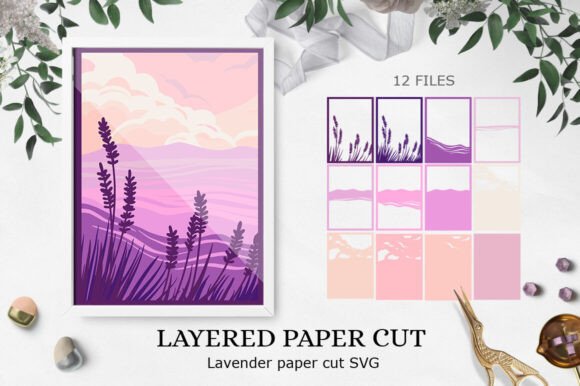
The visual personality of Lavender Fields 3D Papercut Lavender is defined by depth. Unlike traditional machine embroidery designs that rely solely on stitch density to create dimension, this design uses distinct separation lines intended for cutting. As an embroidery digitizer or adapter, you must view these cut lines as your new stitch paths. The mood is undeniably rustic yet refined, evoking a sense of calm that translates beautifully to handmade products. However, because the original files include SVG, PNG, JPG, EPS, and DXF formats rather than native embroidery files like PES or DST, this asset requires intentional adaptation.
For my recent test project, I envisioned a custom embroidered tote bag for a boutique client who wanted something distinct from the typical floral fill stitch designs found in commercial libraries. The goal was to create a textured, raised effect that mimicked the 3D papercut look using fabric layers. I used the included colorful illustration as a strict color map and the SVG cut files as templates for raw-edge appliqué. The result was a tactile, multi-dimensional lavender field that felt far more premium than a standard satin stitch outline could achieve. This approach turns a digital design asset into a high-value finished product that justifies a higher price point due to the perceived complexity and material usage.
Best Applications for Shadow Box Style Embroidery
When evaluating where Lavender Fields 3D Papercut Lavender fits in a commercial embroidery lineup, consider projects that benefit from structural integrity and visual layering. The design’s segmented nature makes it ideal for:
- Custom Apparel and Sweatshirt Embroidery: The bold, separated shapes read well from a distance on heavier garments. Using fleece or felt for the appliqué layers enhances the 3D effect without adding excessive weight.
- Nursery Decor and Baby Embroidery: The soft, organic curves of the lavender motif are perfect for personalized gifts. Because the design relies on shape rather than tiny details, it remains safe and comfortable against skin when properly secured.
- Home Textiles and Pillow Covers: This is perhaps the strongest use case. The shadow box aesthetic naturally complements home decor, especially when combined with actual 3D elements like fabric-covered buttons or dimensional leaves stitched over the base layers.
- Etsy Listings and Digital Product Previews: Even if you aren't stitching immediately, the included colorful illustration serves as an excellent printable mockup foundation. It allows creative entrepreneurs to visualize colorways before committing thread to fabric.
For small shop products and holiday embroidery, this design offers versatility. It can be scaled down for an embroidered patch or expanded for a wall hanging, provided the layer relationships remain intact. The key is maintaining the "papercut" illusion through precise placement stitches and clean edges.
Critical Limitations and Fabric Considerations
Despite its beauty, Lavender Fields 3D Papercut Lavender presents specific challenges that professional makers must navigate. Since this is originally a 3D SVG for cutting machines, the tolerance for error in embroidery is lower than in paper crafting. You cannot simply hoop and go; you must engineer the stitch-out.
Small Hoop Sizes and Detail Loss: Be extremely cautious when scaling this design down. Papercut styles rely on negative space and bridge connections. If you reduce the size too much for a 4x4 hoop, those delicate bridges may become impossible to secure with running stitches or satin columns. Always check the minimum viable size before digitizing or tracing.
Fabric Texture and Stabilizer Choice: This design demands stability. Stretchy fabrics like jersey knits or thin linens can distort under the weight of multiple appliqué layers. I strongly recommend using a heavy-duty cutaway stabilizer and potentially a topping to prevent the fabric grain from interfering with the crisp edges required for the papercut look. On textured fabrics like terry cloth or minky, the fine details of the lavender stems may get lost unless you use a water-soluble topping effectively.
Dark Fabrics and Contrast: The included colorful illustration likely assumes a light background typical of paper crafts. When adapting this for dark apparel or navy tote bags, you will need to rethink the thread colors and fabric layer choices entirely. Test your contrast in black and white mockups first to ensure the layered definition remains visible. Without sufficient contrast, the 3D effect flattens out, defeating the purpose of choosing this specific design.
Professional Workflow and Quality Assurance Notes
To integrate Lavender Fields 3D Papercut Lavender successfully into a commercial embroidery workflow or personal studio practice, treat the adaptation process with the same rigor as digitizing from scratch. Here are practical notes based on real-world testing:
- Verify Licensing Before Selling: The product description lists file types but does not explicitly state commercial licensing terms for embroidered derivatives. As a responsible business owner, confirm whether you can sell finished products or modified digital embroidery files derived from this SVG before listing anything on Etsy or your own site.
- Create Placement Guides: Since you are working from vector cut files, create a digital placement guide in your embroidery software. Map out exactly where each fabric layer sits relative to the others. A misaligned layer in a papercut-style embroidery looks significantly worse than in paper because thread highlights every gap.
- Test Stitch Density and Tack-Downs: Raw-edge appliqué requires secure tack-down stitches. Test whether a straight stitch, zigzag, or blanket stitch best secures your chosen fabric layers without fraying. For a true papercut look, a tight satin stitch border often works better than a raw edge, but this increases stitch count and production time.
- Inspect Small Details on Scrap Fabric: Never run this design directly on a final product without a test sew-out. Check if the lavender buds maintain their shape or turn into thread nests. Adjust pull compensation in your software if necessary, as fabric behaves differently than paper.
- Evaluate Washability: If creating tea towels, baby clothes, or aprons, remember that layered appliqué adds bulk and potential failure points. Ensure all edges are fully encapsulated or sealed to withstand frequent washing. A beautiful design that falls apart after two washes destroys customer trust and brand reputation.
Elevating Handmade Value Through Adaptation
Ultimately, Lavender Fields 3D Papercut Lavender represents a crossover opportunity for makers. It challenges us to think beyond traditional embroidery boundaries and incorporate graphic design principles into textile art. For the experienced embroiderer, this isn't just another floral pattern; it's a blueprint for texture and depth that sets handmade products apart in a saturated market.
Whether you are creating a signature sweatshirt embroidery line, designing personalized gifts for a wedding party, or expanding your digital product offerings with unique design assets, success lies in respecting the source material while adapting it intelligently for thread. By paying attention to stabilizer selection, layer alignment, and appropriate sizing, you can transform this 3D SVG into a stunning embroidery project that carries the charm of papercraft with the durability and warmth of stitched fabric. Always prioritize testing and quality control to ensure your finished product reflects the professionalism your customers expect.