Mechanical Pencil 3D SVG: Objects for Creative Design
First Impressions: Evaluating Tactile Realism in Digital Assets
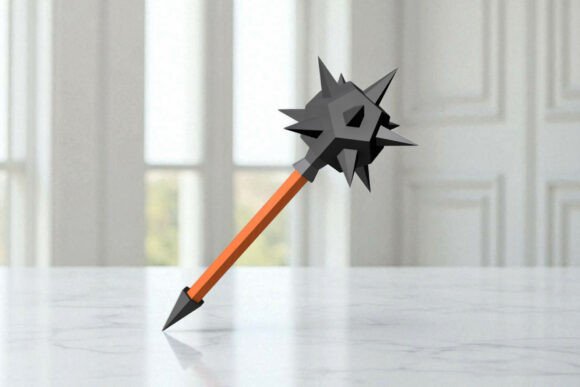
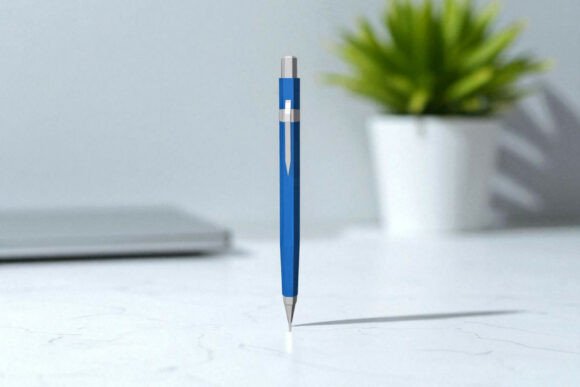
When reviewing a new graphic design asset for a client project, my primary criterion is versatility. Does this element solve a visual problem, or does it merely fill space? My current evaluation of the Mechanical Pencil - 3d Papercraft centers on its unique position as a hybrid asset. It is not simply a flat vector illustration; it is a blueprint for a physical object that translates exceptionally well into digital marketing visuals. The aesthetic is distinctly tactile, evoking nostalgia, precision, and the handmade process. For a recent branding concept aimed at an educational stationery boutique, this asset provided the exact bridge between digital content and physical product experience that we needed.
The mood created by this 3D SVG file is one of structured creativity. Unlike generic clipart, the papercraft style implies effort and dimensionality. When I opened the included PDF, EPS, DXF, and PNG files, the line work was clean enough to suggest high-quality printing but retained the charming imperfections necessary for the papercraft illusion. For designers working with handmade business clients or Etsy product launches, this specific visual texture communicates authenticity far better than polished, corporate 3D renders. It feels human, which is a critical factor in modern small business branding.
Integrating Paper Engineering into Brand Identity Systems
In practical application, the Mechanical Pencil - 3d Papercraft serves multiple functions within a comprehensive brand identity. During the concept phase for the stationery client, we utilized the assembled size specifications (45 x 4 x 4 CMS) to create accurate product mockup photography. By physically assembling the pencil using the provided templates, we generated proprietary lifestyle imagery that no competitor could replicate. This physical build took approximately two hours, as noted in the specs, but the resulting assets were invaluable for social media graphics and website hero sections.
Digitally, the EPS and DXF formats proved robust for packaging design. We scaled the vector lines to create subtle background patterns for shopping bags and tissue paper. Because the design originates from a papercraft template, the geometry is inherently modular. This makes it an excellent creative design element for unboxing experiences where the packaging itself tells a story. For Cricut project enthusiasts or makers selling DIY kits, the DXF compatibility ensures seamless cutting, while the PNG files offer ready-to-use transparency for Canva template creation. This duality makes it a high-value digital product for both professional agencies and individual creators.
Optimal Placement: Where the Asset Shines
Through testing, I found this asset performs best when given room to breathe. It excels in large layout areas such as poster backgrounds, editorial design spreads, and Pinterest pins. The intricate fold lines and tab structures provide visual interest that prevents minimalist layouts from feeling sterile. In web design, using the rendered PNG as a floating element alongside serif typography creates a sophisticated academic aesthetic. For print-on-demand sellers, the design works beautifully on tote bags and notebook covers where the technical drawing style contrasts nicely with fabric textures.
The asset also supports visual hierarchy effectively when used as a directional cue. The elongated form of the mechanical pencil naturally guides the eye across a page or screen, making it functional for flyers and invitations. In a commercial design context, this ability to direct attention without using aggressive arrows or bold shapes is a subtle but powerful tool for improving user engagement and readability.
Design Constraints: Navigating Visual Complexity
However, professional judgment requires acknowledging limitations. The Mechanical Pencil - 3d Papercraft should be used with extreme caution in small-scale applications. The detail density that makes it beautiful at 45cm renders it muddy at favicon size or within dense body text. Avoid placing this asset against busy photographic backgrounds or complex gradients; the internal linework will compete with the background noise, destroying visual trust and clarity.
Furthermore, this asset is stylistically incompatible with ultra-modern, tech-forward, or luxury corporate branding. Its charm lies in its craft aesthetic. Using it for a fintech app or a medical clinic would create cognitive dissonance. Designers must also be mindful of contrast. While the black-and-white test passed successfully, colored versions require careful palette selection to ensure the fold lines remain visible. If the color values are too similar, the 3D effect collapses, reducing the asset to a confusing flat shape.
Technical Due Diligence for Commercial Application
Before committing this design bundle to a paid client project, rigorous technical validation is non-negotiable. I always recommend a multi-step verification process to ensure the asset meets professional production standards:
- Vector Integrity Check: Open the EPS and DXF files in Illustrator or CorelDRAW. Ensure all paths are closed and layers are organized. Verify that the score lines are distinct from cut lines, especially if you intend to use this for actual sublimation design or laser cutting.
- Transparency Validation: Inspect the PNG file at 100% zoom. Look for jagged edges or white halos around the perimeter. Clean transparency is essential for sticker design and overlaying onto dark mode web interfaces.
- Typography Pairing: Test the asset against various font families. It pairs naturally with handwritten and script fonts for a personal touch, but also works surprisingly well with bold sans-serif display fonts for a contemporary editorial look. Avoid delicate serifs that may get lost in the linework.
- Print Quality Assessment: Print a test sheet on your intended paper stock. The "Colored Printer" requirement suggests inkjet optimization, but verify how the lines hold up on matte versus glossy paper. Ink bleed can soften the crispness required for the papercraft illusion.
- Licensing Confirmation: Always review the commercial license terms. Confirm whether you can sell the assembled physical object, the digital file, or both. For Etsy product listings, understanding these rights protects your shop from infringement claims.
Strategic Value for Modern Creative Marketplaces
Ultimately, the Mechanical Pencil - 3d Papercraft represents a smart investment for designers who understand the convergence of digital and physical media. It is more than just a clipart or illustration; it is a system for generating content. The inclusion of multiple file formats (PDF, EPS, DXF, PNG) acknowledges the diverse workflows of today's creative marketplace. Whether you are building a t-shirt design for a back-to-school campaign, creating interactive blog visuals, or developing a premium printable design product line, this asset offers depth that standard vectors lack.
For the experienced designer, value is measured by the asset's ability to adapt. This mechanical pencil adapts seamlessly from a 2-hour crafting activity to a scalable vector element in a brand suite. It respects the intelligence of the audience by offering visual complexity without clutter. When deployed with intention—respecting scale, contrast, and brand alignment—it elevates projects from generic to memorable. In an era of AI-generated saturation, the deliberate, engineered nature of this papercraft asset provides a tangible anchor of quality that resonates deeply with consumers seeking authenticity in objects and digital experiences alike.