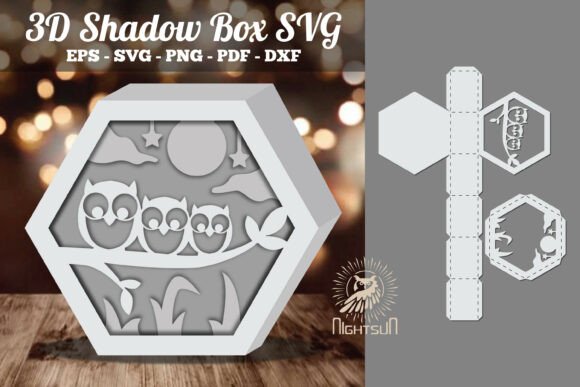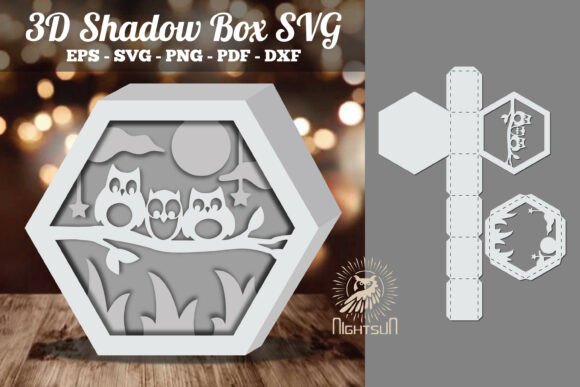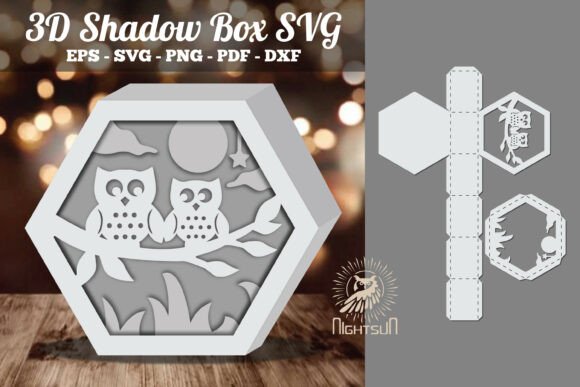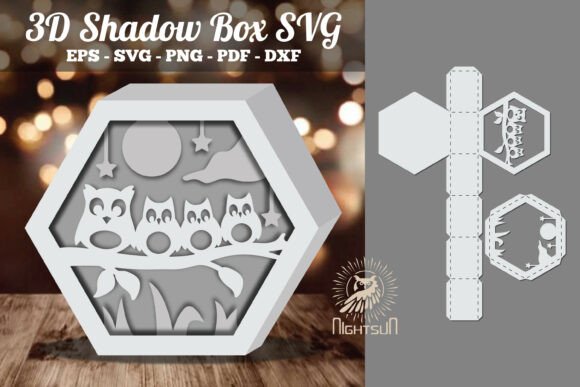
Owl Papercut 3D Shadow Box SVG 3: Editorial Asset Review
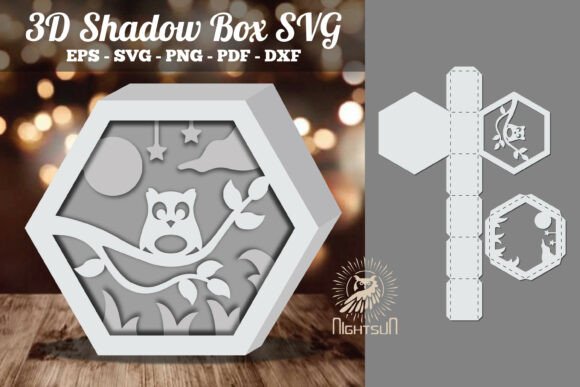
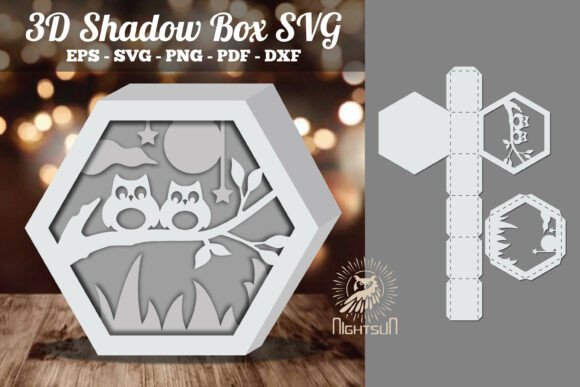
As a digital publisher and blog designer, I constantly evaluate graphic design assets not just for their aesthetic appeal, but for their functional utility in a real content workflow. When I first opened the files for Owl Papercut 3D Shadow Box SVG 3, my immediate assessment focused on its potential to elevate editorial design beyond standard flat graphics. This asset creates an instant mood of whimsical sophistication and tactile depth. Unlike generic clip art, this 3D SVG carries a sense of handcrafted intentionality that signals quality to readers before they even scan a headline. It naturally supports niches centered around DIY culture, seasonal storytelling, children’s education, creative entrepreneurship, and artisanal lifestyle branding. The visual texture suggests patience and detail, which helps establish reader trust and positions your content as premium rather than disposable.
Translating Vector Layers into Clickable Blog Graphics
In my daily publishing workflow, versatility is non-negotiable. I tested Owl Papercut 3D Shadow Box SVG 3 across multiple touchpoints to see if it holds up under the demands of modern web design. As a featured image or website header, the layered shadow effect provides necessary visual weight without overwhelming text overlays. This is crucial for maintaining a clear visual hierarchy. When designing Pinterest pin templates, the verticality and depth of the owl motif create natural negative space for bold typography, significantly improving click-through potential. For content creators building digital products like eBooks or worksheets, this asset serves as an excellent cover element or chapter divider that reinforces a cohesive brand identity.
I also found this asset particularly effective for affiliate marketing visuals promoting craft supplies or Cricut accessories. Because the design mimics physical papercutting, it bridges the gap between digital content and tangible results, making affiliate recommendations feel more authentic. Whether used in a Canva template for social media stories or as a decorative accent in a newsletter, the asset maintains its integrity. It transforms standard blog graphics from mere placeholders into strategic content marketing tools that encourage engagement and sharing.
Where This Design Asset Elevates Content Performance
Strategic placement is key to maximizing the ROI of any design asset. Based on my testing, Owl Papercut 3D Shadow Box SVG 3 performs exceptionally well in specific editorial contexts:
- Hero Images and Category Thumbnails: The intricate layering stands out beautifully at larger sizes, helping users instantly recognize craft or lifestyle categories within a site navigation system.
- Lead Magnets and Digital Guides: Using this as a central visual on opt-in pages adds perceived value to free downloads, suggesting that the content inside is as detailed as the cover art.
- Social Media Previews: On platforms like Instagram and Facebook, the high-contrast shadows remain visible even when compressed, ensuring your social media graphics stop the scroll.
- Printable Design Projects: Since the source files include cutting-ready formats, this asset seamlessly transitions from screen to physical product, perfect for creators selling printable design bundles.
- Editorial Accents: Used subtly as a drop cap background or section breaker, it adds thematic consistency to long-form articles without distracting from the copy.
Navigating Limitations in Professional Publishing Layouts
While versatile, no single asset fits every context. Through rigorous layout testing, I identified scenarios where Owl Papercut 3D Shadow Box SVG 3 requires careful handling. Avoid using this highly detailed graphic as a tiny mobile thumbnail; the intricate shadow layers can muddy together at small resolutions, creating visual noise rather than clarity. Similarly, exercise caution in strictly corporate or minimalist B2B environments where such ornate creative design might clash with a sterile brand aesthetic. Text-heavy blog images are another risk area; placing dense paragraphs directly over the complex vector layers compromises readability. Always prioritize white space. If your layout is already busy with ads, sidebars, and pop-ups, adding a textured 3D element may overwhelm the user experience. In these cases, reserve the asset for dedicated feature sections or standalone digital download covers rather than inline content decoration.
Critical Technical Notes for Web Performance and Licensing
A beautiful file is useless if it slows down your site or violates usage terms. Before integrating this into a monetized platform, I recommend the following technical checks derived from my own pre-publishing checklist:
- File Format Utilization: The package includes SVG for cutting, AI CS6, EPS, high-quality PNG, PDF, and DXF files. For web use, convert the vector to an optimized SVG code or a compressed WebP/PNG. Do not upload the raw AI or EPS files to your media library.
- Contrast Testing: Test the asset against both light and dark backgrounds. Ensure the shadow layers do not disappear on dark modes or become too harsh on pure white. Adjust opacity if necessary to maintain accessibility standards.
- Typography Pairing: Preview the graphic beside various font families. It pairs exceptionally well with clean sans-serifs and elegant serifs but can compete with overly decorative script fonts. Let the modern design of the owl breathe by keeping accompanying type simple.
- Mobile Responsiveness: Always preview your website header and article graphics on actual mobile devices, not just browser resizing tools. Verify that the focal point remains centered and legible on vertical screens.
- Licensing Verification: Before using this on affiliate pages, paid courses, or merchandise, confirm the commercial license specifics. Understanding whether you can use the asset in end-products for sale versus personal blog decoration is essential for legal compliance in small business branding.
- Performance Optimization: Even vector files can be bloated. Run the SVG through a compressor to remove metadata and hidden layers. A faster load time directly correlates to better SEO rankings and lower bounce rates.
Evaluating the Deliverables for Real-World Production
When sourcing from a creative marketplace, the file structure determines how quickly you can move from concept to publication. The deliverables for Owl Papercut 3D Shadow Box SVG 3 are structured for professional flexibility. The inclusion of SVG for cutting makes it immediately viable for Cricut and Silhouette users creating physical companions to digital content. The AI CS6 and EPS files provide the editable source material needed for custom recoloring or resizing in Adobe Illustrator, ensuring the asset can adapt to evolving brand identity guidelines. The high-quality PNG offers a rasterized fallback for platforms that struggle with inline SVGs, while the PDF and DXF formats ensure compatibility across different cutting software and print workflows.
This comprehensive file suite distinguishes it from basic clip art. It acknowledges that modern publishers operate across hybrid ecosystems where a single visual must serve as a web banner today, a printable worksheet tomorrow, and a laser-cut product next week. By providing industry-standard formats, this asset reduces friction in the production pipeline. For digital marketers and educators, having access to the original vector paths means you can extract individual elements—perhaps just the wings or the eyes—to create micro-assets for bullet points or icons, extending the value far beyond the initial composition. Ultimately, Owl Papercut 3D Shadow Box SVG 3 proves itself as a robust tool for creators who demand both artistic charm and technical reliability in their editorial design arsenal.