Harmonia: A Designer’s Review for Embroidery
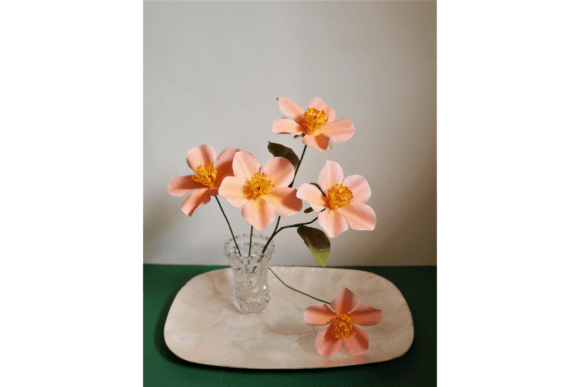
As a professional embroidery designer and product reviewer, I approach every new asset with a critical eye toward production viability. When Maison Gregoria unveiled “Harmonia,” described as a graceful paper flower arrangement with soft peach blossoms and vibrant yellow accents, my immediate thought was not just about its aesthetic beauty, but about its translation potential. While Harmonia is marketed as a 3D SVG for paper crafting, experienced makers know that such intricate, layered floral compositions often serve as exceptional blueprints for machine embroidery design adaptation. In this review, I am evaluating Harmonia specifically through the lens of an embroiderer looking to create high-value handmade products, custom apparel, and commercial merchandise.
Translating Paper Flower Aesthetics to Stitch
The first impression of Harmonia is one of serene balance. The layout features rounded petals and organic curves that avoid the stiff, geometric look common in digitized florals. For an embroidery project, this organic flow is crucial. When adapting a paper flower concept into an embroidery file, the challenge lies in maintaining that delicate, layered appearance without creating excessive bulk. The soft peach and vibrant yellow palette suggests a design that relies heavily on color blending and thread sheen rather than heavy outline definition.
In a real-world scenario, I envision Harmonia as a centerpiece for a premium sweatshirt embroidery or a boutique tote bag design. The mood is romantic yet modern, making it ideal for personalized gifts like bridal party robes or nursery decor. However, because the original inspiration is a paper arrangement, the stitch density must be managed carefully. Unlike flat vector art, paper flowers have depth. To replicate this in embroidery, one might utilize light fill stitches with varying angles to mimic the shadow and highlight of folded paper, or incorporate applique design techniques where fabric layers replace dense stitching to keep the garment soft and wearable.
Real-World Application: The Custom Tote Bag Test
To truly evaluate Harmonia, let us consider a specific case study: preparing a custom embroidered tote bag for a spring craft fair. Canvas totes are popular small shop products, but they present unique challenges due to their textured weave. Harmonia’s delicate, rounded petals require a stable foundation. If I were digitizing or adapting this design for canvas, I would prioritize a robust stabilizer strategy to prevent the fabric texture from distorting the fine details of the peach blossoms.
For this project, Harmonia serves as more than just decoration; it acts as a brand anchor. Customers at craft fairs are drawn to items that feel cohesive and professional. The balanced composition of Harmonia allows for easy placement alongside text, such as a business name or a monogram, without competing for visual attention. As an Etsy seller or creative entrepreneur, using a design with this level of visual harmony can significantly increase perceived value. It transforms a basic utility item into a keepsake. Furthermore, because the colorway involves soft peaches and yellows, it photographs beautifully for printable mockups and digital product previews, ensuring that the online listing matches the quality of the finished product.
Navigating Fabric Limitations and Hoop Constraints
While Harmonia is versatile, it demands respect for technical limitations. Not every fabric is suitable for a design inspired by intricate paper layering. I would advise caution when attempting this design on highly stretchy fabrics like ribbed knits or thin performance wear unless significant stabilization is used. The weight of the stitches required to render the "paper" effect could cause puckering or drag lines on unstable materials.
Hoop size is another critical factor. Harmonia’s graceful arrangement likely requires adequate space to breathe. Cramming this design into a small 4x4 hoop would necessitate removing essential details, potentially ruining the serene aesthetic that defines it. Before committing to a production run of baby clothes or caps, verify the minimum recommended dimensions. Caps, in particular, are risky for wide floral arrangements due to the curved sewing field; Harmonia may need to be resized or re-digitized specifically for headwear to avoid registration issues between the petals and the center details.
Additionally, consider the end-use care. If you are creating kitchen towels or baby items that require frequent washing, ensure the stitch type is durable. Satin stitch borders can sometimes snag, whereas running stitch details or filled applique edges tend to withstand laundering better. Always check the licensing terms of the digital embroidery file or source SVG to confirm whether commercial embroidery use is permitted before selling finished goods.
Elevating Brand Value Through Design Choice
Choosing Harmonia signals a commitment to sophistication. In a market saturated with generic clip art, a design that embodies balanced beauty helps establish brand consistency. Whether you are an apparel decorator or a hobbyist turning pro, the visual appeal of your work directly impacts customer trust. Harmonia’s soft color palette and organic shapes convey warmth and craftsmanship, which are key drivers for buyer engagement in the handmade sector.
For those selling digital assets or offering custom services, Harmonia provides an excellent opportunity to showcase range. You can demonstrate how the same floral motif looks on dark versus light fabric backgrounds, highlighting your expertise in thread color contrast and stabilizer selection. This kind of practical demonstration builds authority. Remember, customers are not just buying a flower design; they are buying the assurance that the final embroidered patch or custom apparel will look as polished as the digital preview.
Essential Technical Notes for Makers
Before loading Harmonia into your machine for a client project or inventory stock, adhere to these practical designer notes to ensure success:
- Test on Scrap Fabric First: Never stitch a complex floral design directly onto a final product without testing. Use a scrap of the exact material and stabilizer combination you plan to use to check for puckering and registration.
- Verify Thread Color Contrast: Soft peach and yellow threads can sometimes blend together or disappear on cream-colored fabrics. Test visibility under natural and artificial lighting to ensure the petal definition remains clear.
- Review Stitch Density: If adapting from a 3D SVG paper template, ensure the digitized version does not have bulletproof density. Adjust fill stitch parameters to maintain fabric drape, especially for apparel.
- Confirm Hoop Size Compatibility: Measure the design dimensions against your available hoops. Do not distort the aspect ratio to fit a smaller hoop; resize proportionally or choose a different placement.
- Inspect Small Details: Check that tiny accents within the flower centers are large enough to stitch out cleanly. Elements smaller than 1mm may get lost or cause thread breaks.
- Mockup Testing: Create black and white mockups to evaluate value contrast independent of color. If the design looks muddy in grayscale, it needs better tonal separation in thread selection.
- Stabilizer Selection: Match the stabilizer weight to the fabric texture and stitch count. Cut-away stabilizers are generally safer for knits and complex florals like Harmonia to prevent long-term distortion.
- Licensing Verification: Always double-check whether your purchase includes rights for commercial embroidery, digital resale, or physical product sales. Protect your business by respecting intellectual property.
Harmonia represents a beautiful intersection of paper craft aesthetics and textile art potential. By approaching this design with technical mindfulness and a focus on real-world application, makers can leverage its serene beauty to create standout products that resonate with customers and elevate their professional portfolio. Whether used for a singular personalized gift or a line of boutique merchandise, Harmonia offers a pathway to refined, profitable embroidery work when executed with care.