Lemonade Shadowbox: A Designer’s Practical Review
As a professional designer who constantly evaluates digital assets for real-world production, I approach every new file with a critical eye. When I first opened the Lemonade Shadowbox, my immediate focus was not just on its aesthetic charm, but on its structural integrity as a potential machine embroidery design or mixed-media asset. While this product is primarily marketed as a 3D SVG and digital cutting file for machines like Cricut or Silhouette, experienced makers know that these layered vector files often serve as the blueprint for stunning hybrid projects. My review focuses on how this specific design translates from a screen-based shadow box concept into tangible, sellable goods like custom apparel, nursery decor, and personalized gifts.
First Impressions and Visual Personality
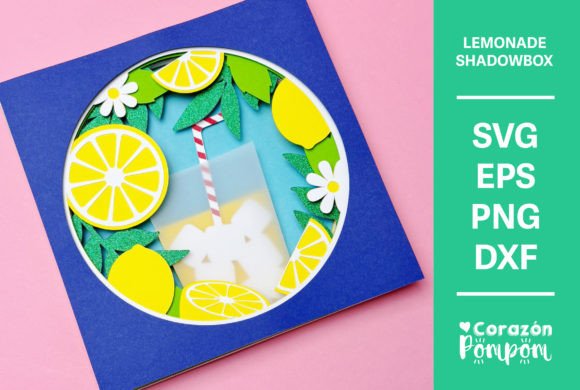
The Lemonade Shadowbox immediately evokes a sense of nostalgic summer warmth. The layout suggests depth and layering, which is the hallmark of a successful shadow box. For an embroidery designer or apparel decorator, this visual depth is crucial. It tells me that if I were to adapt this for stitching, the design relies heavily on distinct separation between foreground elements (like lemon slices or glass rims) and background textures. This isn't a flat, one-dimensional graphic; it has a personality that demands attention. As a handmade product, it feels boutique-ready rather than generic. The mood is light, refreshing, and inherently gift-worthy, making it a strong candidate for holiday embroidery or summer-themed small shop products.
Real-World Application: From Digital Cut to Stitched Reality
To truly evaluate this asset, I mentally placed it into a current client project: a line of premium kitchen tea towels and matching tote bags for a summer wedding favor. In this scenario, the Lemonade Shadowbox serves as more than just a decoration; it acts as a branding element for the event. If using this as a pure 3D SVG for paper crafting, the layers create a beautiful physical display. However, for those of us in the embroidery space, this file offers incredible value as an applique design template.
I envision converting the distinct layers of this shadow box into fabric pieces. The bold shapes typical of shadow box designs are perfect for satin stitch borders and fill stitch interiors. On a textured linen tea towel, the design would pop beautifully because the clean lines of the vector art translate well to needle and thread. For Etsy sellers and creative entrepreneurs, this versatility is key. You could use the original SVG to create printable mockups for your listing photos, showcasing the design in a 3D frame, while simultaneously offering a stitched version on a sweatshirt or baby bib. This dual-use capability maximizes the return on investment for digital design assets.
Navigating Fabric Constraints and Technical Limits
While the Lemonade Shadowbox is visually appealing, practical application requires caution. Shadow box designs often feature intricate internal cutouts or delicate connecting points that work perfectly in cardstock but can be problematic on stretchy fabrics. If you are adapting this for custom apparel like t-shirts or lightweight knits, you must consider stabilizer choices rigorously. A design with this level of perceived depth can become heavy if stitch density is not managed correctly.
I would advise against using complex adaptations of this design on curved surfaces like caps without significant modification. The geometry required for a shadow box effect usually assumes a flat plane. Furthermore, tiny lettering or minute details within the lemonade theme might get lost when translated to thread. Always check the minimum size requirements for any text elements. For dark fabrics, ensure there is enough contrast in your thread colors; the "shadow" effect relies entirely on light and dark interplay, which can vanish on navy or black material unless you use a light underlay or specific shading techniques. Always test on scrap fabric first to confirm that the design maintains its integrity after washing, especially for items like baby clothes or aprons that face frequent laundering.
Elevating Product Value and Customer Trust
In the competitive world of craft business and commercial embroidery, presentation is everything. Using a cohesive design like the Lemonade Shadowbox across multiple mediums builds brand consistency. When a customer sees a polished, professional finish—whether it is a paper shadow box or an embroidered patch—they trust the quality of your work. This design’s inherent structure helps prevent the "homemade" look that can sometimes plague amateur projects. By respecting the layers and spacing intended by the original artist, your finished product looks intentional and high-end.
For digital product sellers, this file also offers opportunities for creating engaging content. Because it is designed for depth, it photographs exceptionally well. High-quality images of the layered result can significantly boost buyer engagement on social media and marketplace listings. It signals to customers that you understand current trends in home decor and personalized gifting.
Essential Designer Notes for Success
Before you commit this design to a final project, please heed these practical reminders derived from years of production experience:
- Verify Compatibility: The product description specifies this is a digital cutting file for machines like Cricut and Silhouette. It does not explicitly state it includes pre-digitized embroidery formats (like PES, DST, or JEF). If you intend to stitch this, confirm whether you are receiving an embroidery file or if you will need to digitize the SVG yourself.
- Check Licensing: Always review the specific license terms included with the download. Confirm whether you have permission to sell finished physical products or if the license restricts use to personal projects only. This is vital for Etsy sellers and small business owners.
- Test Stitch Density: If digitizing from the SVG, avoid excessive density in the layered areas. Too much thread can cause puckering, especially on lighter fabrics. Use appropriate stabilizer for the weight of your material.
- Mockup Strategy: Utilize the 3D nature of this file to create realistic printable mockups. Showing clients how the design looks with actual shadows and depth can justify a higher price point for custom orders.
- Color Planning: Test your thread colors in both natural and artificial lighting. The "lemonade" palette should feel vibrant, not muddy. Compare how the colors interact on both light and dark fabric backgrounds before running a full production batch.
The Lemonade Shadowbox is a delightful asset with strong potential for makers who understand how to bridge the gap between digital cutting and textile arts. Whether you are crafting a standalone paper display or adapting it for a unique embroidery project, approaching it with technical mindfulness ensures your final creation is as durable as it is beautiful. By respecting the design's structural needs and verifying its format for your specific machine, you can turn this cheerful graphic into a staple of your creative portfolio.